Senior Housing Properties Trust Responding to Uptick in Supply

Senior Housing Properties Trust Responding to Uptick in Supply

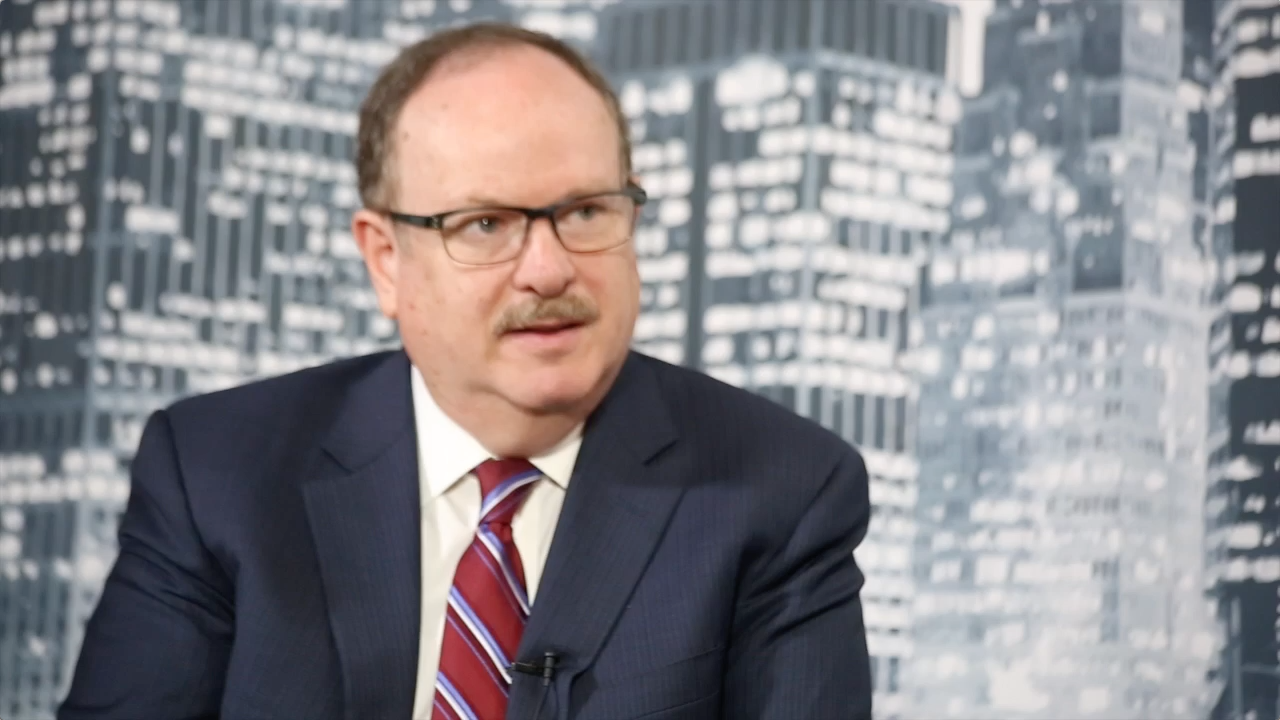
David Hegarty, president and COO of Senior Housing Properties Trust (NASDAQ: SNH), joined REIT.com for a video interview at REITWeek 2017: NAREIT’s Investor Forum at the New York Hilton Midtown.

Hegarty discussed the company’s decision earlier this year to sell a 45 percent interest in two class-A waterfront life science buildings in Boston. He noted that the resulting joint venture “certainly creates an opportunity for us going forward to tap into that type of structure, but I don’t envision any more in the near term.”

Turning to developments in senior housing, Hegarty noted that the current competitive environment has prompted the company to make additional investments across its portfolio.

“New construction keeps coming online all the time,” Hegarty noted. However, funds invested by the company in the last year or two are “bearing fruit right now,” he added.

Meanwhile, Hegarty pointed out that although there is still a steady flow of investment opportunities to consider in medical office and senior housing, the number of large portfolios are declining.

“Everything is very competitively priced right now, and we’re not stretching to buy a lot of that product. We’re buying individual properties here and there that we believe are inefficiently priced with potential upside,” Hegarty said.

(Why?)

Published at Tue, 13 Jun 2017 17:11:55 +0000

Howard Hughes Corp. Boosting Recurring Income

Howard Hughes Corp. Boosting Recurring Income

David Weinreb, CEO of Howard Hughes Corp. (NYSE: HHC), joined REIT.com for a video interview at REITWeek 2017: NAREIT’s Investor Forum at the New York Hilton Midtown.

Howard Hughes Corp. owns, manages and develops commercial, residential and mixed-use real estate throughout the country.

Weinreb noted that since going public in 2010, the company has made substantial progress in creating a recurring income stream. That has led to high returns for investors and a focus on mitigating risks, he added.

Howard Hughes Corp. had an initial net operating income (NOI) of $49 million when it went public, whereas annualized NOI in the first quarter of 2017 stood at $169 million, according to Weinreb.

Properties that the company has developed, along with those that are in development and will be complete within the next 24 months, will stabilize recurring NOI at around $241 million, Weinreb said.

Turning to the Seaport District project in New York, Weinreb noted that lower Manhattan has “been on fire.” The neighborhood shows tremendous growth potential, particularly among young, mobile residents and visitors to the area. Weinreb said the development will feature an array of world-class dining and retail options.

Weinreb also highlighted the company’s award-winning master planned communities located in Maryland, Texas and Nevada. He attributed their success to the level of control that Howard Hughes Corp. can exert over all the various aspects of the developments.

“It’s a very unusual model,” Weinreb noted.

(Why?)

Published at Mon, 12 Jun 2017 17:56:40 +0000

Seritage Expected to Approach $1 Billion in New Development by Year-End

Seritage Expected to Approach $1 Billion in New Development by Year-End

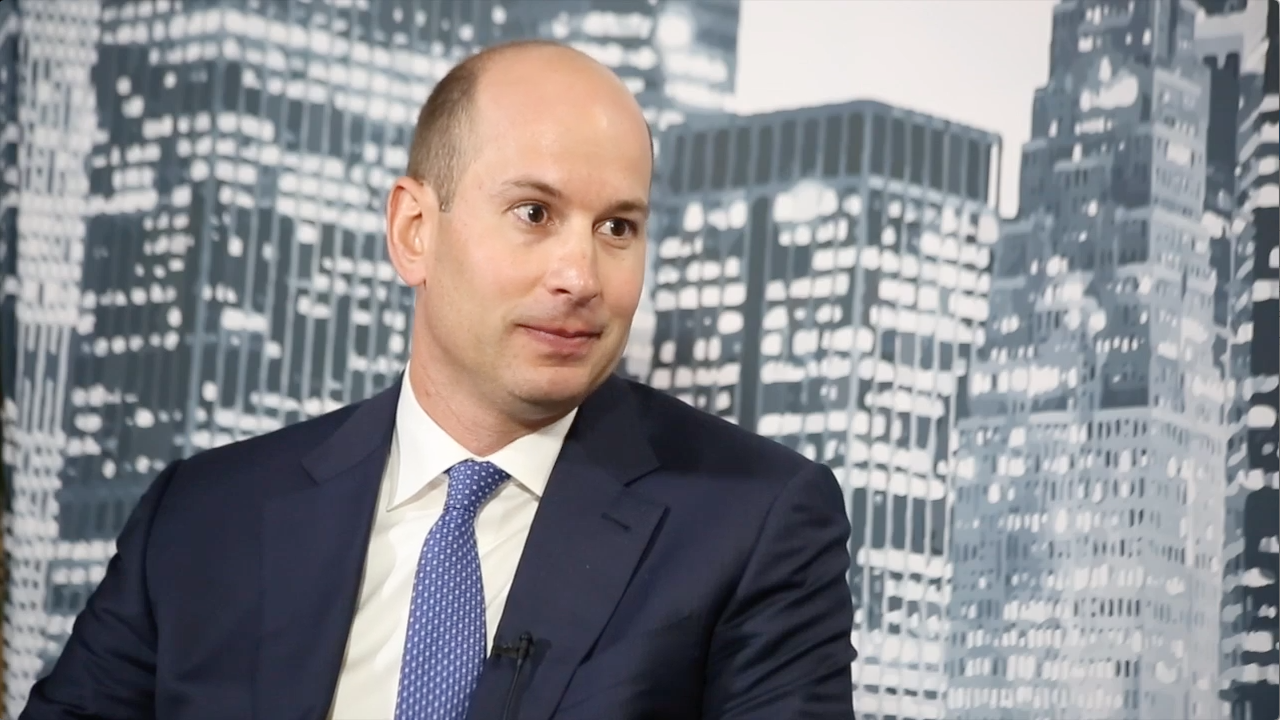
Benjamin Schall, president and CEO of Seritage Growth Properties (NYSE: SRG), joined REIT.com for a CEO Spotlight video interview at REITWeek 2017: NAREIT’s Investor Forum at the New York Hilton Midtown.

Seritage is the real estate spinoff of Sears Holding Corp. It began trading as a public company in 2015.

Schall noted that two years ago, 80 percent of Seritage’s income came from Sears. Today, that level has fallen to 60 percent. Later this year, it should be below 50 percent, according to Schall.

“We expect 50 percent of income to come from newly developed shopping centers occupied by best-in-class retailers that we believe will continue to resonate with consumers in an omni-channel world,” Schall said.

During the last 18 months, Seritage has leased almost 3 million square feet of space, Schall said. In the process, rent has increased from the Sears level of $4 per foot to $18 per foot, he noted.

“These rental spreads are driving significant net operating income (NOI) growth and allowing us to exponentially diversify away from Sears,” Schall observed.

As for tenants, Seritage is actively working with off-price fashion retailers, full line and specialty grocers, gym operators, home goods retailers, and restaurants and entertainment providers.

“Given the quality of our holdings and our scale, we expect to be a preferred developer with many of these retailers going forward,” Schall said.

According to Schall, Seritage has quickly become one of the most active developers of retail real estate in the country. The company completed or commenced about $525 million of development during the past two years. That number is expected to approach $1 billion by the end of 2017, he said.

(Why?)

Published at Mon, 12 Jun 2017 17:01:24 +0000

Ventas Expanding Presence in Life Science Real Estate

Ventas Expanding Presence in Life Science Real Estate

Debra Cafaro, chairman and CEO of health care REIT Ventas, Inc. (NYSE: VTR), joined REIT.com for a CEO Spotlight video interview at REITWeek 2017: NAREIT’s Investor Forum at the New York Hilton Midtown.

Cafaro described Ventas as an “investment machine” that has entered some “exciting” business lines during the past 12 months.

One new area of investment is university-based life science real estate, Cafaro said. Ventas has already committed about $2 billion to the segment.

Ventas’ recent investment in South Street Landing in Providence, Rhode Island, is a good example of the type of project the company is pursuing in the segment, according to Cafaro. Located on the Brown University campus, South Street Landing offers state-of-the-art facilities for medical training and is 100 percent pre-leased by Brown and the University of Rhode Island, she noted.

With almost an unlevered yield of almost 7 percent, “we think it’s a great risk-adjusted return,” Cafaro said.

Cafaro also commented on trends in the senior housing business. “We see this incredible wave of demand coming for all sectors of Ventas’ business, including senior housing,” she said.

Cafaro noted that there are some areas of the country where senior housing development is picking up in anticipation of increased demand, “and there might be a slight timing mismatch.” However, she added that about 70 percent of Ventas’ assets are located in coastal markets, “where we see equilibrium or better.”

On average, Ventas’ portfolio is performing well, and the company has pricing power in those coastal markets, Cafaro said.

(Why?)

Published at Mon, 12 Jun 2017 16:31:20 +0000

Data Center REIT Digital Realty to acquire DuPont Fabros in $7.6 Billion Transaction

Data Center REIT Digital Realty to acquire DuPont Fabros in $7.6 Billion Transaction

Digital Realty Trust, Inc. (NYSE: DLR) said June 9 it plans to acquire fellow data center REIT DuPont Fabros (NYSE: DFT) in an all-share transaction valued at approximately $7.6 billion.

The two companies said the combined organization is expected to provide the most comprehensive product offering in the data center sector.

William Stein, Digital Realty’s CEO, said the deal will create the eighth largest publicly traded REIT, with a combined equity market capitalization of $25.2 billion. During a conference call, Stein described the new company as “the home to the cloud,” noting that “we are still in the early innings of cloud adoption.”

The deal is expected to enhance Digital Realty’s ability to grow its presence in strategic, high-demand metro areas with strong growth prospects, while achieving significant diversification benefits for DuPont Fabros’ shareholders.

DuPont Fabros’ portfolio is concentrated in top U.S. data center metro areas across Northern Virginia, Chicago and Silicon Valley. Digital Realty’s portfolio includes 145 properties across 33 global metropolitan areas.

“This strategic and complementary transaction significantly enhances Digital Realty’s ability to support the growth of hyper-scale users in the top U.S. data center metro areas,” Stein said.

Meanwhile, DuPont Fabros’ roster of blue-chip customers is expected to further enhance the credit quality of Digital Realty’s existing customer base.  On a combined basis, investment grade or equivalent customers will represent more than 50 percent of total revenue. 

The companies also highlighted the external growth potential from development. DuPont Fabros’ six data center development projects currently under construction are expected to be delivered during the next 12 months and amount to roughly a 26 percent expansion of its standalone critical load capacity

Under the terms of the agreement, which is expected to closed in the second half of this year, DuPont Fabros shareholders will receive a fixed exchange ratio of 0.545 Digital Realty shares per DuPont Fabros share. Based on Digital Realty’s closing share price Thursday of $116.75, the offer is valued at $63.60 per share, a premium of 14.9 percent above DuPont Fabros’ closing price on Thursday of $55.36.

(Why?)

Published at Fri, 09 Jun 2017 17:35:07 +0000

NAREIT Announces 2017 Investor CARE Awards

NAREIT Announces 2017 Investor CARE Awards

The winners of NAREIT’s 2017 Investor CARE Awards, which honor excellence in communications and reporting to shareholders, were announced on June 6 in New York at REITWeek 2017: NAREIT’s Investor Forum.

In the large cap Equity REIT category, the Gold Award went to UDR, Inc. (NYSE: UDR). GGP, Inc. (NYSE: GGP) received the Silver Award, while the Bronze Award went to Brixmor Property Group, Inc. (NYSE: BRX).

In the small cap Equity REIT category, Pebblebrook Hotel Trust (NYSE: PEB) was awarded Gold, while Pennsylvania Real Estate Investment Trust (NYSE: PEI) received the Silver Award and Summit Hotel Properties, Inc. (NYSE: INN) won Bronze.

The Gold Award for Mortgage REITs went to Starwood Property Trust (NYSE: STWD).

“The REIT industry is well recognized by the investment community for the transparency and clarity of its financial reporting and the accessibility to shareholders of its management,” said NAREIT President and CEO Steven Wechsler.

Judging criteria consisted of online presence, including a company’s web site; quality of SEC filings; and investor relations practices, including the quality of earnings calls and management’s accessibility to investors.

This is the 17th year that NAREIT has given out the awards. This year’s judges included:

  • The Chilton REIT team, including Bruce Garrison, Matt Werner, Blane Cheatham and Parker Rhea;
  • Steve DeLaney of JMP Securities, LLC;
  • Gautam Garg of Lazard Asset Management;
  • Bose George of Keefe Bruyette & Woods;
  • Keven Lindemann of S&P Global Market Intelligence;
  • David Loeb of Dirigo Consulting LLC;
  • PGIM Real Estate; and
  • RBC Capital Markets and the RBC REIT Team.

(Why?)

Published at Tue, 06 Jun 2017 20:26:44 +0000

REITs Move Lower in May

REITs Move Lower in May

REIT returns lost ground in May and lagged the broader market, as investors remained cautious on several fronts, market watchers said.

The total returns of the FTSE NAREIT All REITs Index fell 0.2 percent in May, while the S&P 500 posted a return of 1.4 percent. Total returns of the FTSE/NAREIT All Equity REITs Index dropped 0.1 percent in May. The total return of the FTSE NAREIT Mortgage REIT Index fell 1.3 percent. The yield on the 10-year Treasury note dropped 10 basis points for the month.

Paul Adornato, managing director at BMO Capital Markets, pointed to concerns affecting real estate relative to the broader market at both the macroeconomic and sector levels. 

“Uncertainty regarding tax reform – which could affect real estate disproportionately – still exists,” Adornato said.  At the same time, despite the broad expectation of more interest rate tightening, the uncertain timing of the Federal Reserve’s next move seems to be weighing on real estate, he added.

Adornato said the factors that have contributed to volatility, including interest rates and political uncertainty, do not appear to be going away, “which means volatility through year-end seems like a safe bet.”

Industrial, Manufactured Home REITs Outperform

On the sector level, bright spots included manufactured home REITs, which rose 3.8 percent in May. “Manufactured home REITs have the wind at their backs,” Adornato said.

Meanwhile, healthy supply and demand fundamentals helped push industrial REIT returns up nearly 3 percent for the month.

On the other hand, retails REITs finished what Michael Lewis, director of REIT equity research at SunTrust Robinson Humphrey Lewis, described as “a brutal month,” dropping 7 percent. The challenges affecting the major retail companies, which have seen waves of bankruptcies and store closures, are bleeding over into investors’ views of retail REITs, according to Adornato.

“Retail has stolen the headlines not only in the business section, but has entered the general consciousness as well,” he observed.

Adornato predicted that the growth of e-commerce and its impact on brick-and-mortar merchants will continue to play out over the next two or three years.

However, in a recent edition of The REIT Report: NAREIT’s Weekly Podcast, Calvin Schnure, NAREIT’s senior vice president for research and economic analysis, pointed out that older shopping centers are most vulnerable to the shifts in buying habits. REITs primarily own newer properties in higher-income markets with better job growth, he said. In reality, Schnure said, REITs are able to fill vacancies left by departed retailers, and are actually looking for more productive tenants to take over the empty spaces.

(Why?)

Published at Fri, 02 Jun 2017 15:29:31 +0000

REITs Reshaping Communities: GGP’s Ala Moana Center

REITs Reshaping Communities: GGP’s Ala Moana Center

In 2016, Ala Moana Center – Hawaii’s premiere shopping mall and the largest open-air shopping center in the world – unveiled the latest additions to its Ewa Wing Expansion, a multi-million dollar, 650,000 square-foot redevelopment project that began in 2013. Helmed by Chicago-based retail REIT trust GGP (NYSE: GGP), the multi-year expansion debuted Hawaii’s first Bloomingdales store in 2015, a renovated Makai Market Food Court and 1,000 additional parking spaces. The latest phase of the expansion included a relocated Nordstrom’s retail anchor, Shirokiya Japan Village Walk and the return of one of Ala Moana’s first tenants, local grocery chain Foodland Super Market, Ltd. with a 47,000 square-foot store.

“Ala Moana Center is constantly evolving,” explains Francis Cofran, GGP’s general manager at Ala Moana.  “For nearly 60 years, Ala Moana Center has been a focal retail venue in Honolulu and community involvement has always been a top priority of the shopping center,” says Cofran.

“Pathway to the Sea”

Completion of the Ewa Wing marks the seventh major redevelopment of the Ala Moana Center since its opening in 1959. 
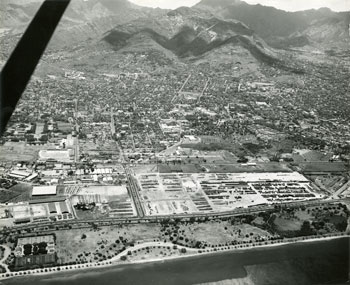
Located in the Ala Moana District of Honolulu, west of Waikiki, the shopping center gets its name for the Hawaiian word meaning “pathway to the sea.” In 1912, Walter F. Dillingham, head of the Hawaiian Dredging Company purchased the Ala Moana site and later used coral from nearby dredging contracts to fill the swampland. His son, Lowell Dillingham, initiated the Ala Moana Center project in 1948. Built on 50 acres of the reclaimed marshy shoreline, one of the main challenges the younger Dillingham faced was convincing major retailers to relocate to Ala Moana Center at a time when retail was concentrated in downtown Honolulu. “Ultimately, it was convincing Sears to become an anchor that paved the way for the new shopping center,” explains Cofran.

On Aug. 13, 1959, roughly a week before Hawaii became a state, a procession of community figures formally opened the Ala Moana Center, decorated with a 40 foot maile lei draped over its entrance. 

A Sears store anchored Phase I of the mall, which had 87 stores in total. While most shopping centers at this time consisted of a single-story design focused towards the center, the architecture firm John Graham & Company’s revolutionary design consisted of two-levels, gently sloping roofs directed away from the Pacific Ocean, details such as artwork, water gardens, and koi ponds. In 1966, the Hawaiian Dredging Company completed Phase II, making Ala Moana the largest shopping mall in the United States at that time with 1.35 million square feet and 155 stores. “Over the years, there have been several renovations and expansions to evolve the shopping center to meet the changing needs of the community and respond to tourism demands,” explains Cofran, “but it is important to note that each addition was driven by the success of the property in terms of merchandising and sales.”
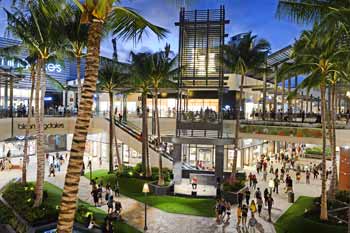
Now with more than 300 stores, Ala Moana Center still includes some of its original retailers such as Foodland, Shirokiya, Watumull’s, the United States Post Office, Dairy Queen, Longs Drugs, Reyn Spooner and Territorial Savings Bank. The mix of long-term tenants and local chains along with new luxury anchors has allowed GGP to adapt to changes in the market and incorporate community input, leading to its success as a retail development. 

Shopping Local

GGP managed the property for 12 years before acquiring it from D/E Hawaii Joint Venture in 1999. A veteran of the Hawaiian real estate scene, Cofran has served as the general manager of Ala Moana Center since 2004, but it wasn’t his first introduction to Ala Moana. “One of my first jobs was actually at Ala Moana Center where I worked for Liberty House which originally anchored the second phase in 1966 and is now Macy’s,” says Cofran. “As someone born and raised in Hawaii, I’ve seen the shopping center transform from 680,000 square feet with only 87 stores to the 2.4 million square foot world class shopping center with more than 340 stores.” Growth stories like Cofran’s are not unusual. “I am so proud to play a role in Ala Moana Center’s continuous evolution and longstanding community gathering place,” he says.

Good to Know

  • Largest outdoor shopping center in the world at 2.4 million square feet.
  • GGP invested nearly $1 billion between 2012 and 2016 adding additional retail space and apartment condominiums.
  • Ala Moana has more than 48 million visitations annually.
  • More than 3,000 people work at Ala Moana Center.
  • Tenants generate $1.2 billion in annual sales.

More than 3,000 people work at Ala Moana Center, along with additional construction jobs during redevelopment phases. According to Cofran, between 2012-2016 GGP invested almost $1 billion in capital to construct additional retail square footage and residential condominiums at Ala Moana Center. “During this construction period, we estimated economic activity of 11,600 full-time and part-time jobs and over $146 million of state revenue, including community benefits,” says Cofran. “Post-construction, the additional retail will produce an incremental $33 million of state revenue annually.” In 2016, GGP paid almost $20 million in real property and general excise taxes with respect to its three Hawaii properties—Ala Moana Center, Whalers Village on Maui, and Prince Kuhio Plaza on Hawaii Island. Ala Moana Center remains the largest regional shopping center in the state of Hawaii. Ala Moana Center’s tenants generate $1.2 billion dollars of annual sales.  “GGP has made a significant investment in Hawaii and Ala Moana Center has been a significant source of tax revenue for the state of Hawaii,” explains Cofran. 

One of Ala Moana’s original tenants from 1959, Foodland, a locally-based company and the oldest locally owned supermarket chain in Hawaii recently returned to the new wing of in 2016. According to Jenai Sullivan Wall, chairman and chief executive officer of Foodland Super Market, Ltd., “GGP has been a great partner and we would not have had the opportunity to return to Ala Moana Center without their support.” 

“We know that many of our customers shared with GGP their desire to have Foodland return to the Center and while many landlords would not have listened to the community, GGP did,” says Wall.

“[GGP] worked closely with us to not only understand our needs, but to make sure our return to the center would be beneficial for them and us,” says Wall. Foodland has more than 200 employees. 

Community Taking Centerstage

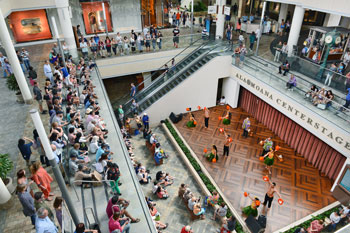
The curated mix of local businesses, value retail, national retailers, luxury and restaurants has allowed Ala Moana to serve the local community and tap into Hawaii’s built-in tourism industry. Since 2013, its large public amphitheater, Ala Moana Centerstage, has become a local fixture, hosting more than 800 performances and events annually.

In addition to daily Hula performances, Centerstage provides free stage access for community and school performances throughout the year, as well as hosting the Royal Hawaiian Band, the oldest municipal band in the U.S. Ala Moana sponsors the YMCA “Dress for Success” clothing drive and participates in local cultural events as well. “We also have our annual “Passport to Luxury” event that benefits local charities like Friends of Iolani Palace, UH Foundation and the Junior League of Honolulu, to name a few,” says Cofran. For more than 25 years, locals have attended Ala Moana’s annual Fourth of July fireworks celebration. 

“From the beginning, Ala Moana Center has served the community with countless fundraisers for local non-profits, free entertainment like our iconic fireworks displays, community toy and clothing drives,” says Cofran. “We are always looking to grow our efforts to assist new causes that benefit our community. “

Continued Growth at ‘Hawaii’s Center’

In the Honolulu community, Ala Moana Center is often referred to as “Hawaii’s Center,” and it continues to work closely with the city to bring about area-wide improvements. GGP’s development team has worked with the mayor’s office and the Honolulu Authority for Rapid Transportation (HART) on the County of Honolulu’s plan for building a 20-mile, 21-station elevated rapid-transit line from East Kapolei to Ala Moana Center. Successful completion and expanded zoning under the Transit Oriented Development (TOD) guidelines promises to increase density of future development opportunities in and around the area. “We continue to work closely with the City to provide traffic improvements to public roadways and traffic signals around our property. This collaboration has been critical to meet the increased vehicular and pedestrian traffic with the Ewa Expansion and other areas of the shopping center,” says Cofran. 
Other upcoming developments include GGP’s Park Lane Ala Moana project, which is a 219-unit mid-rise residential condominium development, with phases two and three expected to be completed later this year. “The Lanai @ Ala Moana,” Target and Saks OFF 5th are currently under construction and scheduled to open this year, along with a new food concept hall.

“Since its inception, Ala Moana Center has been a Mecca for retail and fashion for Hawaii and the Pacific region,” says Cofran, “It has played an integral role in transforming Honolulu into one of the top shopping destinations in the world.” 

Timeline

1884
In accordance with the will of Princess Bernice Pauahi Bishop, a 50-acre swamp site is put up for sale as unproductive land.  

1912
The unwanted land is purchased for $25,000 by developer Walter F. Dillingham. The swamp land is filled with acres of coral from nearby Dillingham dredging projects.  

1948
Lowell Dillingham, Walter’s son and president of Hawaiian Dredging affiliate  Hawaiian Land Co., announces plans for a shopping complex at the Ala Moana site.  

1957
Construction begins on Ala Moana Center, Hawaii’s first regional shopping center.

1959
The first phase of Ala Moana Center is completed, including 680,000 square feet of leasable area, with 87 stores on two levels and 4,000 parking spaces. 

1966
The second phase opens, doubling the size of Ala Moana Center to 1,351,000 square feet of leasable area, with 155 stores and 7,800 parking spaces. New stores include anchor tenants JCPenney and Liberty House.

1976
JCPenney opens a fourth level, increasing leasable area to 1.4 million square feet. 

1980
Liberty House adds a fourth level, increasing Ala Moana Center’s leasable space to 1.5 million square feet. 

1982
Ala Moana Center is purchased by D/E Hawaii Joint Venture, a partnership between Daiei Hawaii Investments, Inc. and The Equitable Life Assurance Society of the United States, for about $300 million. The center undergoes a $15 million renovation to beautify the premises and refurbish the exhibit and stage areas.  

1987
Phase Three, a two-year, multi-million dollar renovation and remerchandising program, is completed. It involves the relocation of Woolworth and Foodland and the creation of the Makai Market Food Court, which features 19 international restaurants and more than 900 seats.  

1990
Phase Four, another multi-million dollar expansion, is officially completed. This project involves a total reconfiguration of 66,000 square feet of the center’s mall level area; 11,000 square feet of the street level; and the addition of a 51,000 square foot third level vertical expansion. Center Court is merchandised with luxury designer stores which cater to the boom in Japanese visitors focused on high-end shopping. 

1995
Daiei acquires The Equitable Life Assurance Society of the United States’s 40 percent stake in Ala Moana Center for $410 million. 

1996
A fifth phase of renovation and expansion begins, adding space for Hawaii’s first Neiman Marcus store, plus an additional 160,000 square feet on the upper level and 1,282 new parking stalls.  

1998
Neiman Marcus opens for business in September, becoming Ala Moana Center’s fourth anchor store, with 160,000 square feet of retail space.

1999
In July, Ala Moana Center is purchased by General Growth Properties, Inc. (GGP) for $810 million. Phase Five-A expansion opens, adding more than 30 new stores and restaurants on the upper level. 

2001
The new four-level parking deck opens on the center’s ewa-mauka corner with more than 2,000 parking stalls.  

2003
JCPenney closes and new development goes underway to divide the more than 180,000 square foot, four-level space into new stores and restaurants.  

2004
Nordstrom announces a new plan for a store as part of a newly envisioned Mauka Wing.  Ten new stores on the mall level and seven on the third level of Block H open between August and December 2004.    

2005
The newly expanded Ho‘okipa Terrace opens on the fourth level with new family restrooms and a comfortable seating lounge. Four new restaurants undergo construction to open on the fourth level.  

2006
In February, Ala Moana Center hosts the official groundbreaking on the two-year expansion project, which will include Hawaii’s first full-line Nordstrom store (210,000 square feet). The project will also include an additional 25,000 square feet of new retail along Kapi‘olani Boulevard, another 45,000 square feet of new retail on the third level connecting to the new Nordstrom store and an 800-stall parking garage. 

2008
In March, Ala Moana Center’s two-year, multi-million dollar retail expansion officially opens, adding a new wing to the center with a dual-level concourse lined with 30 new specialty merchants connecting the existing center to the new Nordstrom anchor store. Approximately 300,000 square feet of retail space is added, bringing the center’s total retail space to 2.1 million square feet. 

2013
Ala Moana Center begins a multi-million dollar redevelopment project that includes the Ewa Wing expansion and more than 1,000 additional parking stalls. A Center Court redevelopment including new stores, restrooms, guest services, common area finishes and Centerstage opened in November.  

2014
Completion of the renovated Makai Market Food Court. 

2015
In November, the Ala Moana Center Ewa Wing expansion is completed. Hawaii’s first Bloomingdale’s opens. 

2016
The Nordstrom department store is relocated to the Ewa Wing in March. Completion and grand opening of the Shirokiya Japan Village Walk in the Ewa Wing Expansion in June and Foodland Farms in August. 

(Why?)

Published at Wed, 31 May 2017 19:39:15 +0000

REITs Flourishing in Single-Family Home Rental Segment

REITs Flourishing in Single-Family Home Rental Segment

The fallout from the financial crisis of the previous decade forced a reckoning for the American dream of homeownership. 
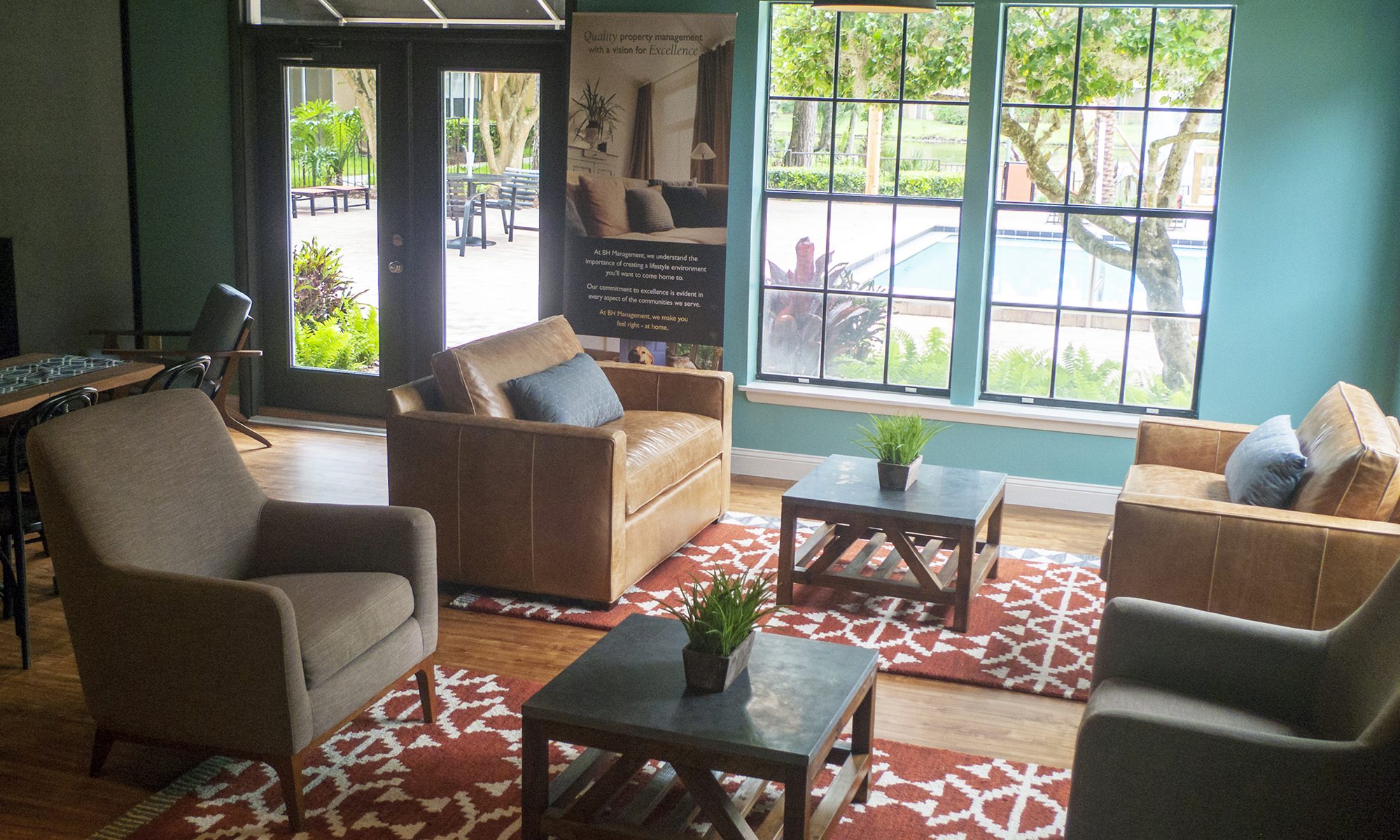
Housing prices crashed, foreclosures and abandonments spiked, and credit markets seized up. In a country where owning your own home was seen as a milestone of maturity, the prospect of renting seemed more and more appealing to a growing swath of the population. The dislocation in the housing market created an opening for a handful of well-capitalized companies to begin building up portfolios of single-family properties to rent to those who still yearned for a yard and didn’t like the idea of sharing walls with neighbors.

According to research from the Joint Center for Housing Studies of Harvard University, record demand growth spurred an influx of more than 8 million new units of rental housing stock in the United States in the decade between 2005 and 2015. Conversions of single-family houses from owner-occupied to rental accounted for roughly 80 percent of the increase, as the single-family share of the total rental stock climbed from 34 percent to 40 percent in the 10-year period.“This growth is notable not only because it is so substantial, but also because institutional investors have taken a much more active role in this market than in the past,” the Harvard researchers reported. “By creating large portfolios of homes across many markets, large-scale investors are testing the waters for a new model of owning and operating scattered-site properties that could expand the range of housing options available to renters.”

Colony Starwood Homes (NYSE:  SFR) CEO Frederick C. Tuomi recalls the early frenzy of trying to build up a portfolio of rental homes essentially one by one.

From 2005 to 2015

  • More than 8 million new units of rental housing stock were created in the United States.
  • The single-family share of the U.S. rental stock increased from 34% to 40%.
  • The number of individuals and families living in rental housing grew 30%
  • The overall share of U.S. households that rent rose from 31% to 37%

Source: Joint Center for Housing Studies of Harvard University

“It was like drinking from a fire hose, buying thousands of homes a week,” he says. “These were homes that were bought on the foreclosure channel, which means you had to be on the courthouse steps with cash, making bids and closing immediately.”

Tuomi had left multifamily REIT Equity Residential (NYSE: EQR) in 2013 to become chief operating officer of Colony American Homes (CAH), a single-family housing venture backed by Thomas J. Barrack Jr.’s private equity firm Colony Capital. CAH used about $2 billion raised in equity capital to amass a portfolio of approximately 20,000 homes. In early 2016, CAH merged with Starwood Waypoint Residential Trust, a publicly traded single-family company spun off from Starwood Capital, and became Colony Starwood. (Barrack and Starwood Capital CEO Barry Sternlicht now serve as co-chairmen of the firm.)

Tuomi and other pioneers in the sector paint a similar picture of investors’ views of their initial efforts to get large-scale, single-family residential companies off the ground: Lots of skepticism.

“We had a lot of naysayers,” he says. “We knew from the very beginning that this business was going to be a durable, long-term, income-generating growth vehicle in the future. Someday, it would be a legitimate sector on its own within the REIT universe.”

A Welcome Invitation

Those who might have harbored lingering doubts about the viability of single-family home REITs as a long-term segment of the residential sector received a wake-up call in January.

The initial public offering of Invitation Homes (NYSE: INVH) on Jan. 31 raised more than $1.5 billion. The single-family REIT founded by private equity firm Blackstone in 2012 immediately became the largest listed company in the sector with an equity market cap approaching $7 billion. It boasts a portfolio of nearly 50,000 rental homes spread from coast to coast in 13 markets ranging from Atlanta to Los Angeles to Minneapolis. Bryce Blair, the former CEO of multifamily REIT AvalonBay Communities, Inc. (NYSE: AVB), serves as Invitation Homes’ executive chairman.

Total Returns in 2016

26.7% – Single-family rental REITs

12% – S&P 500

Invitation Homes’ IPO raised the number of listed single-family housing REITs in the United States to five. Joining Invitation Homes and Colony Starwood are American Homes 4 Rent (NYSE: AMH), Reven Housing REIT (NASDAQ: RVEN) and Silver Bay Realty Trust (NYSE: SBY). (Silver Bay announced in February that it had been acquired by Tricon Capital Group Inc. in a deal expected to close during the second quarter.) 

“We all cheered when we saw Invitation Homes’ success. The more the sector has small wins or big wins like that, the more people get comfortable with it as an asset class,” says Chris Czarnecki, CEO of private residential REIT Broadtree Residential. Broadtree Residential’s portfolio includes more than 650 single-family homes.

Investor Acceptance

Tuomi says the investment community has “absolutely” come around on single-family housing REITs. He notes that his management team has held around 300 meetings with investors in the last 24 months. The parade of capital has included everything from dedicated REIT investors to generalists to hedge funds, according to Tuomi. As of the end of 2016, Colony Starwood’s largest institutional shareholders included Cohen & Steers Inc., BlackRock and State Street Corp.

“We’ve proven ourselves and the dialogue is definitely different,” Tuomi says. “Investors have spent a lot of time watching us, and they’ve voted with their checkbooks.”

Czarnecki points out that investors value the stable flow of income that REITs offer, which is consistent with the single-family rental business. “We’ve proven the thesis to the investors.”

Recent returns from Broadtree’s publicly traded competitors suggest Czarnecki is correct. Through the end of the first quarter of 2017, total returns of the three listed single-family rentals REITs tracked by the FTSE NAREIT U.S. Real Estate Index had doubled up the S&P 500, 13 percent to 6.3 percent.  In 2016, single-family rental REITs had total returns of 26.7 percent, compared with 12 percent from the S&P 500.

Playtime is Over

A 2016 analysis of the single-family rental market by Green Street Advisory & Consulting illustrates the opportunities available to REITs. Institutional investors’ portfolios represent a scant 1 percent of single-family rental housing in the U.S., according to Green Street. Meanwhile, Green Street projected that of the 3.9 million new renter households that are estimated to be coming to market by 2020, nearly 40 percent will opt for single-family residences.

For their part, single-family REIT executives say their companies have matured beyond the start-up phase and are now working on refining their businesses to maximize operations.

Purchases by large-scale “buy-to-rent” investors comprised just 1-2% of all single-family purchases between 2012 and 2014.

Source: Board of Governors of the Federal Reserve 2015 working paper, “Large-Scale Buy-to-Rent Investors in the Single-Family Housing Market: The Emergence of a New Asset Class?”

“It’s about getting better at our craft,” said Blair, the Invitation Homes executive chairman, at a 2016 panel on the growth of the sector.

“We’re in the mode of continual, step-wise improvements to the operating platform, continual optimization in terms of revenue management and expense control,” Tuomi remarks.

According to Czarnecki, Broadtree has put significant thought into how to best structure its processes and infrastructure to operate efficiently in an admittedly resource- and time-heavy business. For example, the company has cut the amount of time between when a resident moves out and the next resident moves in.

He adds that the network of third-party service providers has become more robust in the five years that Broadtree has been in business. “You’ve seen professional businesses and entrepreneurs build products specifically geared toward supporting the rental space,” he says. “It gives you a lot more flexibility.”

Tuomi cites Colony Starwood’s investments in technology as key to the company’s future. Colony Starwood has a mobile, cloud-based technology platform that facilitates everything from signing a lease to maintenance requests for employees and residents. He notes that smart home technology has even eliminated the need to have an employee on site to show prospective tenants around a rental house. Those kinds of technological capabilities have allowed Colony Starwood to focus more attention on capitalizing on its growth prospects, according to Tuomi.

“The ability to continue to acquire and grow and roll up this industry is a very exciting prospect for the future,” he says. “We’ve got everything we need set up to be positioned for future growth.” 

Renting is the New Black

Research suggests that single-family home REITs entered the market at a time when it has arguably never been more popular to rent.

According to a Joint Center for Housing Studies of Harvard University report, approximately 43 million families and individuals lived in rental housing as of mid-2015, a surge of roughly 30 percent from 2005. Moreover, the overall share of U.S. households that rent rose from 31 percent to 37 percent during that 10-year period.

The Harvard researchers attributed the rise of renting to more than just the well-documented swell of millennials entering their 20s. In fact, the largest increase came from renters in their 50s and 60s, who added 4.3 million to their ranks from 2005 to 2015. Households aged 40 and over now account for the majority of all renters, according to the Harvard data.

(Why?)

Published at Fri, 26 May 2017 17:55:45 +0000

REITs Helping Address Demand for Affordable Housing

REITs Helping Address Demand for Affordable Housing

The rallying cry “the rent is too damn high” by Jimmy McMillan, a 2010 candidate for governor of New York, still resonates seven years later for many. As new apartment developments become more luxurious, the availability of affordable rentals is particularly constrained.
According to Harvard’s Joint Center for Housing Studies “State of the Nation’s Housing 2016” report, the number of renters paying more than 50 percent of their income for housing jumped from 2.1 million households in 2008 to a record 11.4 million in 2014. While affordable housing is a universal problem among the lowest-income households, the Harvard study says that the problem is spreading among moderate-income households, too, particularly in expensive coastal markets.

“Rental demand is growing everywhere as incomes improve and new households are formed,” says Michael Kodesch, vice president of equity research for Canaccord Genuity. “But demand is even higher for class-B and B-plus apartments. Some renters want to move up from class-C rentals, and some want to move from A to B rentals because rents are so high.”

Developing housing for moderate-income households can be lucrative for residential REITs because of market dynamics. Supply is up for class-A units in expensive housing markets, and rent growth is accelerating faster in less-costly Sun Belt markets. As a result, residential REITs are adding to the supply of moderately priced housing in several ways.

“Some high-cost markets have inclusionary zoning mandates that require new developments to have a certain percentage of affordable units,” says Andrew Babin, a senior research analyst with R.W. Baird & Co. “But more supply of moderate-income housing comes from REITs investing in apartments at a value-oriented price point and manufactured housing.”

Here are just a few examples of how residential REITs are addressing the growing demand for workforce housing.

Another Side of AvalonBay

While AvalonBay Communities, Inc. (NYSE: AVB) is best known for high-end apartments, the company also develops mixed-income communities. In addition, the multifamily REIT has three brands of market-rate apartments, including “eaves,” a value-priced brand.

“Occasionally, we do a large project and partner with a local nonprofit and investors who can benefit from low-income housing tax credits,” says Matt Birenbaum, chief investment officer of AvalonBay Communities. “We developed one in West Hollywood recently with 300 market-rate units at $3,000 per month and 77 affordable units at $1,000 per month.”

Sector Stats

Sector: Residential
Constituents: 20
One-year Return: 9.54%
Three-Year Return: 15.23%
Five-Year Return: 10.16%
Dividend Yield: 3.13%
Market Cap ($M): 131,702
Avg. Daily Volume (Shares): 808.6
(Data as of March 13, 2017)

Birenbaum says AvalonBay anticipates participating in similar deals because cities are beginning to address affordable housing issues by incentivizing mixed-income development.

Generally speaking, Birenbaum says AvalonBay’s long-term goal is to have affordable apartments represent a larger percentage of the firm’s portfolio to reduce volatility and take advantage of greater demand. Class-B apartments are less likely to see big rent increases, but they are also less likely to see rents decline, he says.

“Our eaves brand of apartments are suburban, older garden-style apartments in good locations that are popular with people who either don’t have the income to afford a costlier apartment or don’t want to spend their income on a higher rent,” Birenbaum says. “We upgrade these apartment communities to be what we call ‘better than basic,’ which means they look nice, they’re clean, everything is working and we treat our customers with respect.” But, whereas AvalonBay’s other brands provide non-emergency maintenance services within 24 hours, the window is 48 hours at eaves properties. Similarly, even though there may be a pool at an eaves community, it won’t be a resort-style pool like you might find at AvalonBay’s other branded apartment communities.

Birenbaum says that growing the eaves brand is challenging, since it’s difficult to profitably develop similar apartments. Instead, AvalonBay has to either acquire older properties or convert their own aging properties to the eaves brand.

“Our markets are among the most expensive in the country, so we see a great opportunity to invest in moderate apartments and an acute need for them,” says Birenbaum.

NexPoint Targets Young Adults

Value-added workforce housing is the sole focus of NexPoint Residential Trust (NYSE: NXRT), which went public in April 2015.

“We target two- and three-story, class-B, walk-up garden apartments in markets in the Southeast and the Southwest that have the best household and job growth,” says Matt McGraner, executive vice president and chief investment officer of NexPoint. “We exclude the big cities because the kind of product we want isn’t available there.”

Markets targeted by NexPoint include Dallas, Atlanta and Phoenix “where lots of young people are looking for apartments,” according to McGraner.

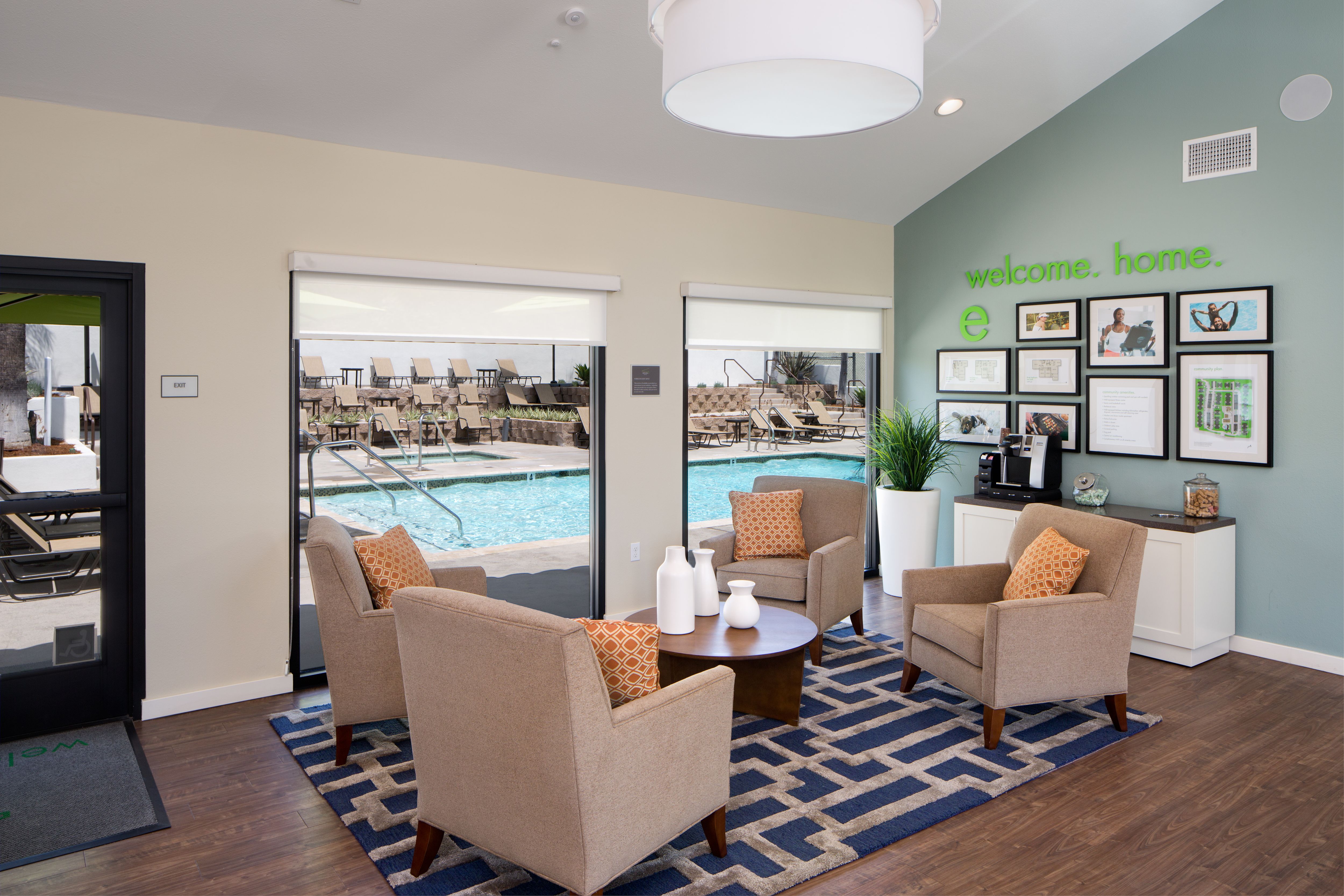
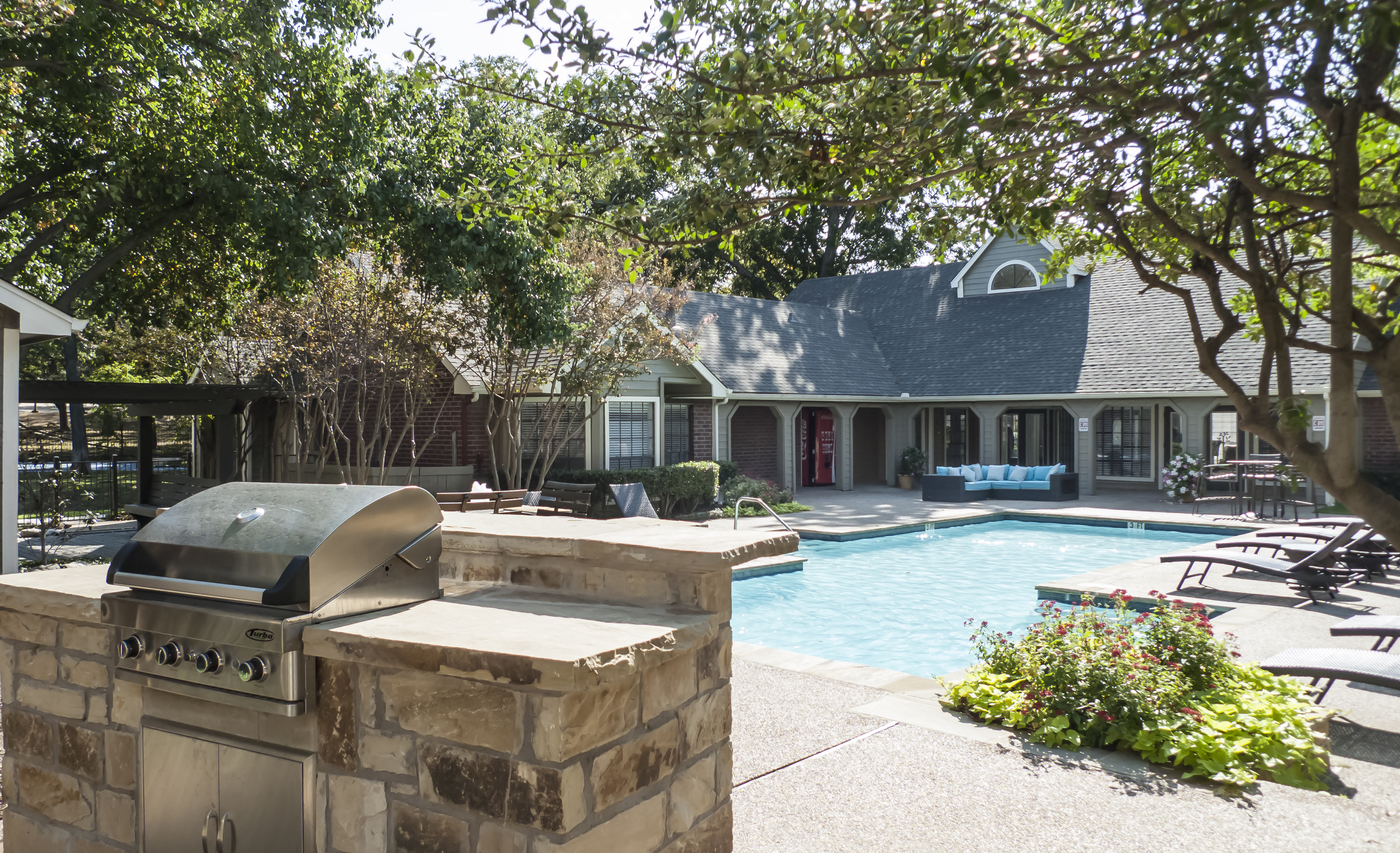
NexPoint upgrades the leasing center, converts pools into resort-style amenities with outdoor kitchens, and adds hardwood floors, new appliances, granite counters and washer-dryers to the units. McGraner says the company averages a 20 percent return on its capital expenditures. According to Axiometrics, an apartment market research firm, the average monthly rent for class-A apartments in Atlanta was $1,556 in February 2017. McGraner says NexPoint’s average rent is about $800 per month.

NexPoint’s stock “strongly outperformed its peers last year because [its]investment strategy is so lucrative,” Kodesch says. The company’s shares “were trading at around $13 in early 2016 and are trading at around $24 now – almost a 100 percent return.”

Sun Shines on Need

Manufactured housing inherently addresses the need for affordable housing, says John McLaren, president and chief operating officer of Sun Communities (NYSE: SUI). The company has owned and operated manufactured housing communities for 40 years and went public in 1993.

According to the Census Bureau, the average cost of a new manufactured home was $71,600 in October 2016. As of January, the average cost of a new single-family home was $312,900.

“We offer rentals, too, at approximately 69 cents per square foot compared to at least $1 per square foot for apartments,” says McLaren. “We provide a home without shared walls that has a private carport or a garage in a community with the same amenities as an apartment community, such as a clubhouse and a fitness center.”

From an investment standpoint, manufactured housing offers a stable opportunity, says McLaren, with an annual turnover rate of just 2 percent. On average, residents stay 13 years.

Manufactured housing isn’t facing the same oversupply challenges as the apartment sector, says Nick Joseph, a senior analyst with Citi Research. It also tends to see consistent cash flow without as many highs and lows as other multifamily sector investments.

Since mid-2011, McLaren says Sun has acquired communities valued at approximately $4.3 billion. They include the acquisition of Carefree Communities, Inc., a manufactured housing and recreational vehicle community owner, a $1.7 billion investment in 2016.

“The barriers to entry in manufactured housing are high because the entitlement and zoning process is extremely time-consuming,” McLaren notes. “We’ve been successful because we show people photos of our communities compared to the perception of manufactured housing and what they’ve seen in the past.”

McLaren anticipates further external growth in addition to the three new greenfield developments underway now, along with internal growth from expanding communities with 95 percent occupancy onto adjacent vacant land the company already owns.

Favorable Market Conditions

It’s a good time for REITs to be value-oriented in their investments, which will help them stay resilient, according to Babin.

“Right now, because of the increased supply of class-A apartments, particularly in the larger coastal markets, class-B-quality apartments are outperforming class-A assets operationally,” says Joseph of Citi Research. “REITs are focused on long-term total return performance. Same store growth has slowed across all the multifamily REITs, but we’re seeing more deceleration in REITs in some coastal markets such as New York City and Northern California.”

Babin says REITs have opportunities to renovate buildings they already own and raise the rent, yet still offer a relative bargain for the market since renters are very receptive to units that look almost new at a lower price point.

Whether they are renovating older apartments and adding upscale amenities or providing manufactured housing communities, REITs appear committed to workforce housing for the long haul.

Private REIT Doing Public Good

While most REITs focus on market-rate housing, Community Development Trust (CDT), a hybrid REIT and a designated community development financial institution (CDFI), provides long-term capital for the preservation and development of affordable rental housing in 44 states.

“Our mission is to stabilize ownership to produce better quality of life for low-income families,” says Joseph F. Reilly, president and CEO of CDT.

CDT, established 18 years ago, has handled $1.25 billion in transactions. It currently has $1 billion in assets under management, split evenly between equity and lending activity.

In addition to investing in affordable housing developments and charter schools, CDT originates and acquires mortgages for affordable housing communities.

“CDFIs are looking for liquidity, so we buy their loans,” says John Divers, chief financial officer and chief operating officer of CDT.

CDT partners with some government programs that may end or undergo transformations, which Reilly admits creates some element of long-term risk.

“We expect our business will be here for the long term as long as we make good decisions and are prepared for program changes,” says Reilly.

Divers says that CDT intends to invest more with not-for-profit agencies and housing authorities.

“We’re willing to talk to any and all players in the marketplace because we don’t have a cookie-cutter model for our developments,” Divers explains. “We’ll do debt or equity deals as long as they bring good economic returns and fulfill our double-bottom-line mission of providing social impact returns.”

(Why?)

Published at Wed, 31 May 2017 14:04:21 +0000